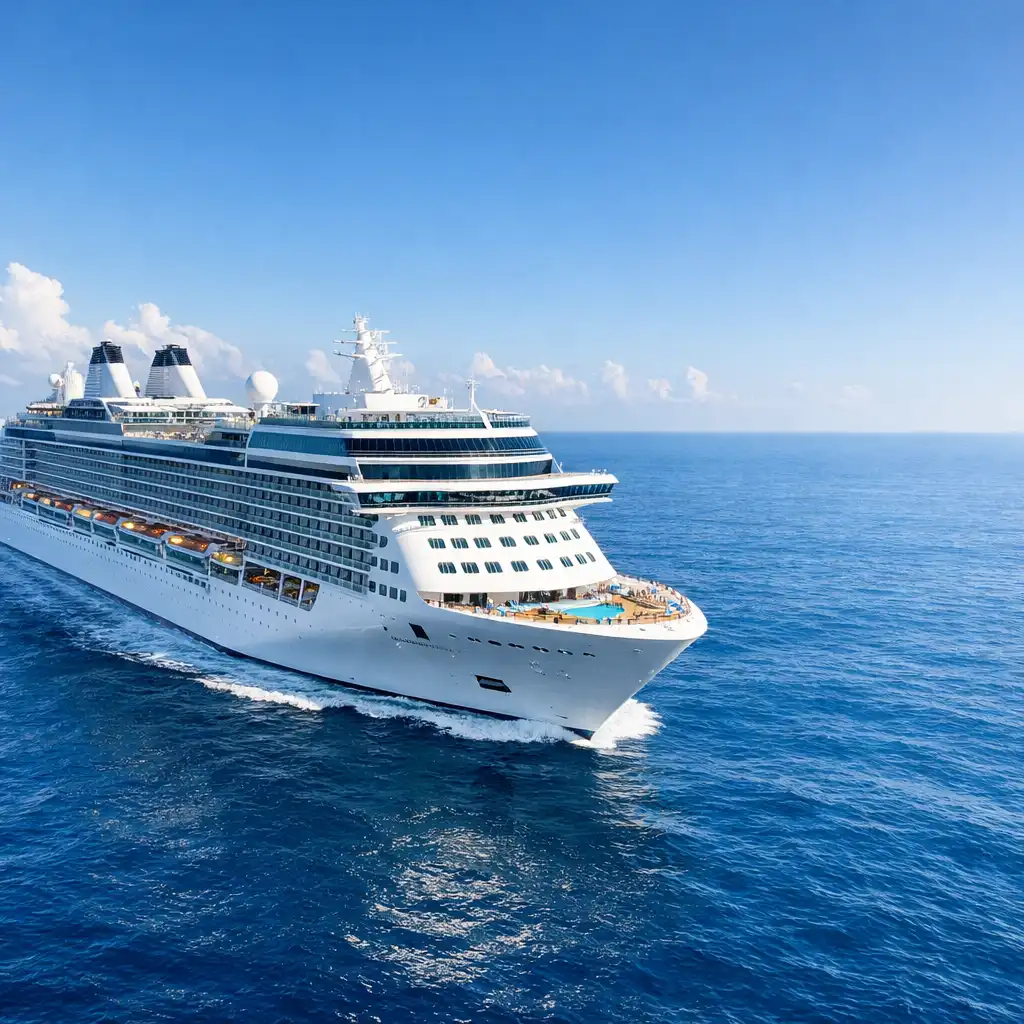
Modern cruise ship sailing through calm open ocean under bright daylight
Independent New Zealand Cruise Guide

Life at Sea – Cruise Ships, Cabins, Dining & High-Seas Casinos

Your independent New Zealand guide to ocean voyaging. Compare stateroom layouts, discover diverse onboard dining, explore high-seas casino gaming, and navigate South Pacific and Fiordland itineraries with complete confidence.

What is Modern Ocean Cruising?

Contemporary cruise travel functions as a self-contained floating community combining modular staterooms, diverse global dining venues, live stage entertainment, full-scale casinos operating in international waters, and scenic coastal voyages departing from New Zealand ports like Auckland and Lyttelton. The convenience is remarkable: unpack once, wake to a new horizon, and let the ship carry you between destinations while restaurants, lounges, pools, and performance spaces remain steps from your cabin. Seafarer Journey covers each of these layers independently, with practical guidance that helps you compare ships, understand onboard systems, and prepare for the rhythm of days at sea.

Life on Board & Ship Infrastructure

Stateroom categories

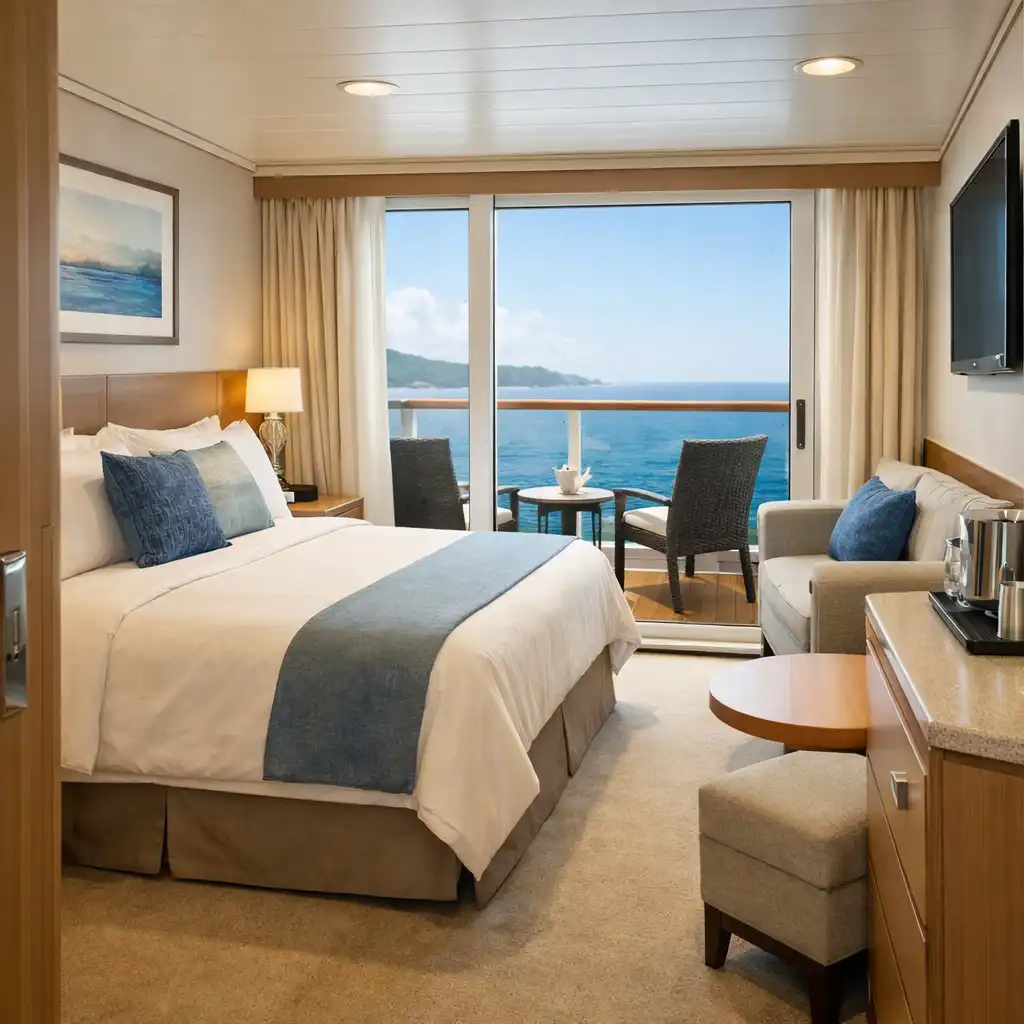
Stateroom categories range from space-efficient interior berths to sunlit ocean-view balconies. Interior cabins suit budget-focused travellers who plan to spend most waking hours in public areas. Ocean-view rooms add natural light without a private outdoor space, while balcony staterooms extend your living area into the sea air. Our stateroom and cabin guide explains how to weigh these trade-offs against deck position, motion sensitivity, and voyage length.

Dining venues

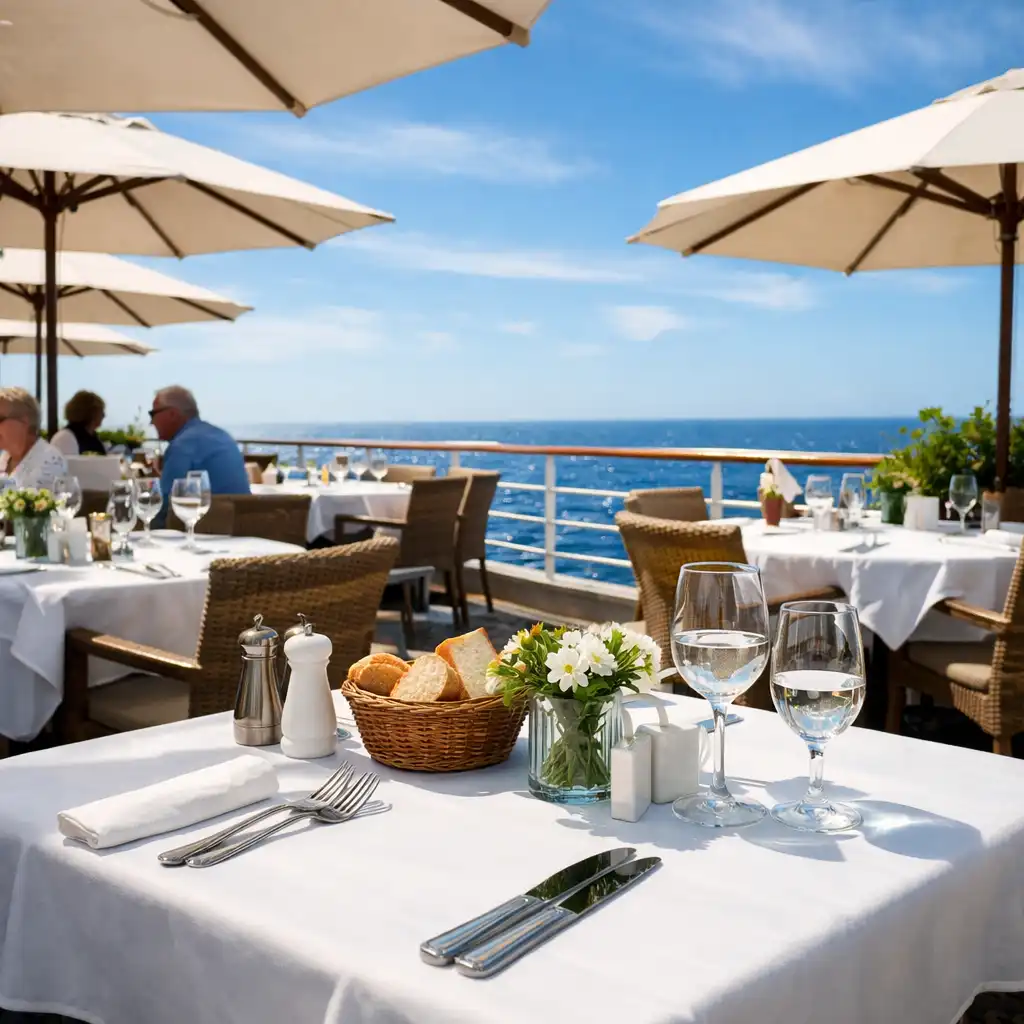
Casual seaside bistros, buffet halls, and specialty dining venues offer diverse culinary experiences. A typical day might begin with an early buffet, continue with a poolside grill lunch, and end with a multi-course dinner in a specialty restaurant. Main dining rooms remain included in most fares, while specialty venues may carry a cover charge. Our onboard dining and entertainment guide maps the choices so you can plan meals around port days and evening shows.

Open-deck recreation

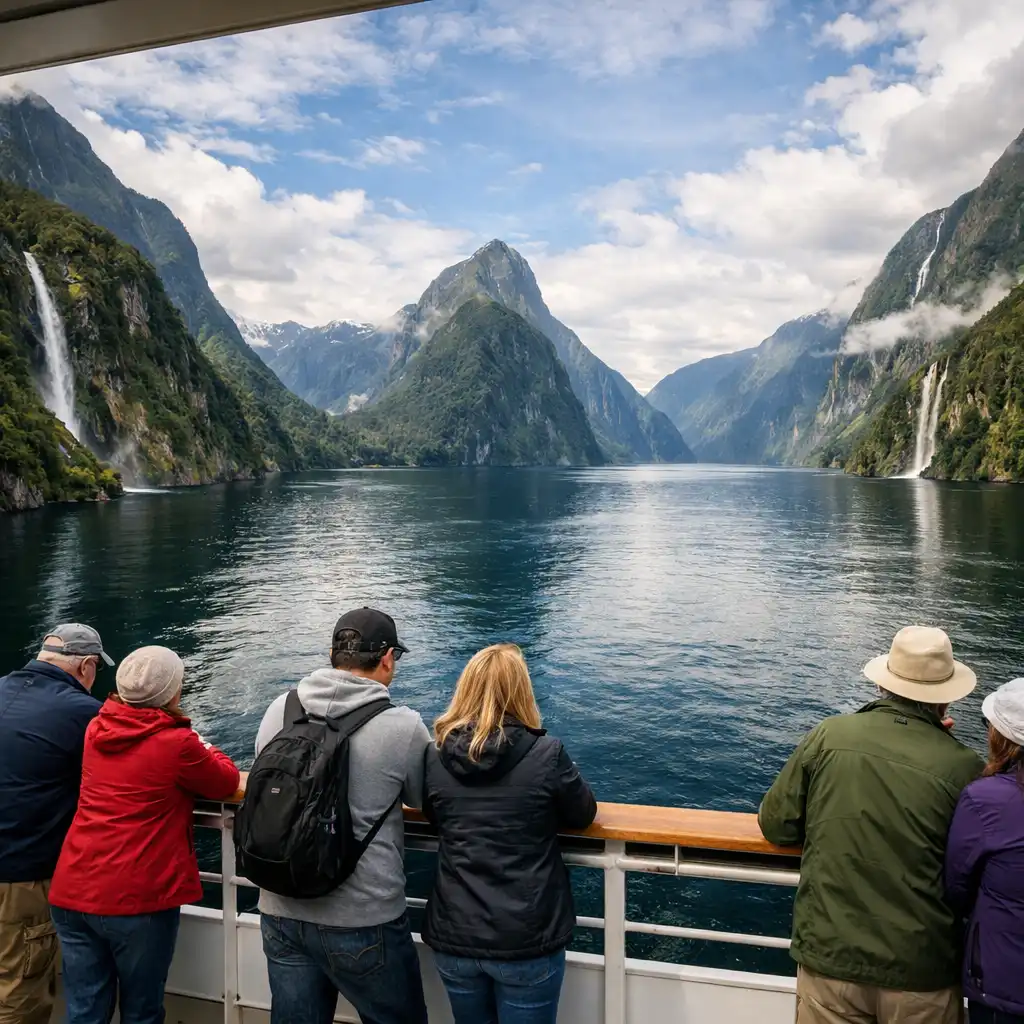
Open-deck swimming pools, sports promenades, and panoramic observation points provide outdoor relaxation and activity. Many ships feature multiple pool zones, jogging tracks, basketball courts, and quiet sun decks. Observation lounges near the bow offer sweeping views during scenic cruising, especially through Fiordland. Understanding where these spaces sit on the deck plan helps you move between activity and calm without wasting time.

Evening entertainment

Evening acoustic lounges, comedy clubs, and production theaters offer live entertainment options. Production shows often run twice nightly to accommodate early and late dining seatings. Acoustic sets in smaller lounges create a relaxed alternative to the main theater. Comedy clubs may feature adult-only late shows. Our entertainment coverage explains typical schedules, reservation policies, and how to match venues to your preferred evening pace.

Casino halls

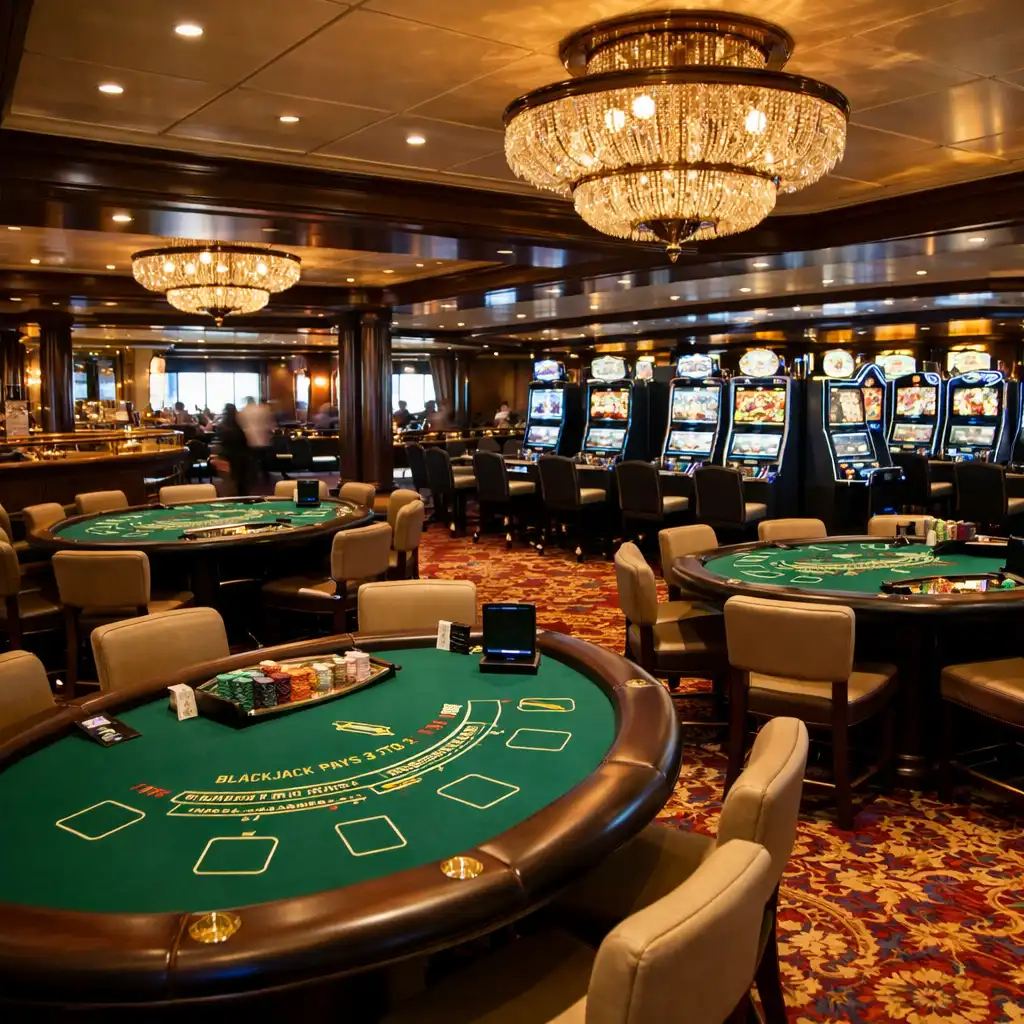
Onboard casino halls operate under maritime regulations in international waters. They typically open after the ship leaves territorial limits and close before arrival in port. Games range from blackjack and roulette to video slots and digital terminals. Entry is restricted to guests aged 18 and over, and responsible gaming support is available on board. Our high seas casinos guide explains operations, etiquette, and bankroll management in detail.

18+ only. Age limits are strictly enforced.

Digital tools

Sea-day planning apps, deck navigation maps, and cashless folio card systems streamline the onboard experience. Most cruise lines now offer a mobile app for daily schedules, restaurant bookings, and shore excursion confirmations. Interactive deck maps help you locate venues quickly. Your folio card acts as a room key, onboard payment method, and casino buy-in tool. Our budgeting and currency guide explains how these systems affect your spending.

Shore excursions

Shore excursions across Milford Sound, the Bay of Islands, and South Pacific archipelagos extend the journey beyond the ship. Fiordland sailings may include scenic cruising rather than disembarkation, while Bay of Islands calls offer historic towns and coastal walks. South Pacific itineraries add island beaches and cultural experiences. Our cruise itineraries guide explains how excursion timing, tender ports, and weather shape each day ashore.

Key Highlights

Verified ship deck layouts & navigational guides

Access accurate deck plans and navigation guidance for New Zealand cruise ships. Knowing where your cabin sits relative to dining rooms, pools, and lifts makes your first day onboard far less confusing.

Diverse stateroom and cabin categories

Understand the differences between interior, ocean-view, and balcony cabins. Our stateroom guide explains how deck position, motion, and natural light affect comfort on longer voyages.

Global dining and casual culinary coverage

Explore dining options from buffets to specialty restaurants. Learn which venues are included in your fare, which carry extra charges, and how to plan meals around showtimes and port calls.

Full-scale high-seas casino gaming

Learn how casinos operate at sea, including games, etiquette, and regulations. Our dedicated high seas casinos page covers table games, slots, cashier policies, and responsible gaming support.

Open-deck recreation and fitness facilities

Discover pools, sports areas, and fitness options on board. From sunrise yoga on the top deck to late-night hot tubs, recreation spaces shape the daily rhythm of a cruise.

Modern maritime navigation & eco-efficiency systems

Understand the technology behind modern cruise ships. Advanced stabilisers, waste management, and fuel-efficiency systems influence both comfort and environmental impact.

Trans-Tasman, Sub-Antarctic & South Pacific itineraries

Explore route options from New Zealand to nearby regions. Compare short coastal breaks with longer voyages to Tasmania, the sub-Antarctic islands, or tropical Pacific archipelagos.

Clear guides to onboard budgeting, currencies, and service charges

Plan your onboard spending with practical budgeting advice. Understand currency conversion, automatic gratuities, drink packages, and folio card tracking before you sail.

Casinos on the High Seas

Maritime casinos operate legally only while the ship is sailing in international waters outside territorial limits. This means the casino closes when the ship is in port or within a country's coastal waters. The schedule is predictable: expect the casino to open after departure and close before the next arrival. This international-waters requirement is standard across major cruise lines and applies to all New Zealand departures.

Table games and slots

  • Blackjack
  • Single/Double-Zero Roulette
  • Three-Card Poker
  • Baccarat
  • Video slot machines
  • Digital gaming terminals

Game availability varies by ship and itinerary, but most vessels offer a core selection of table games alongside a slot floor. Minimum bets are typically lower than major land-based casinos, making the tables approachable for casual players.

Etiquette and cashier policies

Casino floor etiquette includes casual daylight attire rules and cashier cage payout policies. During the day, smart casual clothing is generally acceptable; some ships request a step up in the evening. Payouts are handled at the cashier cage, not at the table. Dealers and floor staff are trained to explain rules, so first-time players can ask questions without pressure.

Bankroll management

Bankroll management uses onboard stateroom folio keycards and cash buy-ins. You can charge chips to your folio card or use cash at the cage. Setting a firm limit before you sit down is the most effective way to keep gaming enjoyable. Our responsible gambling at sea guide offers practical strategies for tracking spending and recognising when to step away.

Cabins & Stateroom Selection

Travelers evaluate and choose their berth based on ship stability (midship vs. bow/stern), deck height, proximity to elevators, natural lighting, and space efficiency. Midship cabins on lower decks experience the least motion, making them a strong choice for anyone prone to seasickness. Higher decks offer better views and quicker access to pools and buffets, but they can feel more movement in rough weather. Proximity to elevators reduces walking but may increase hallway noise. Natural lighting varies by category: interior rooms rely entirely on artificial light, ocean-view rooms add a window, and balcony cabins open directly to the sea air. Space efficiency matters most on longer voyages, where storage and layout affect daily comfort.

  • Choose midship lower decks if you are sensitive to motion.
  • Pick a balcony cabin for scenic Fiordland and coastal sailings.
  • Check deck plans for noise sources like show lounges or pool decks.
  • Prioritise storage and layout for voyages longer than seven nights.
Bright modern balcony stateroom with ocean view and private balcony

Who is it for?

Scenic coastal sailing and fjord sightseeing

Travelers who enjoy scenic coastal sailing and spectacular fjord sightseeing. New Zealand's Fiordland and Marlborough Sounds offer some of the world's most dramatic cruise landscapes, best appreciated from an open deck or balcony.

Relaxed multi-destination travel

Travelers who prefer relaxed multi-destination travel without packing and unpacking between hotels. A cruise lets you visit several ports while your cabin stays constant, removing the daily logistics of land-based touring.

Evening excitement and casual table gaming

Travelers who enjoy evening excitement, live comedy, and casual table gaming. After dinner, the ship offers theaters, lounges, and a casino floor where you can play at your own pace with clear limits.

Varied culinary experiences

Travelers who appreciate varied culinary experiences and round-the-clock dining convenience. From early-morning coffee to late-night pizza, cruise ships keep food available around the clock with enough variety to suit most tastes.

Seamless sea-day getaways

Travelers who want seamless sea-day getaways departing directly from Auckland or Wellington. Local departures remove the need for international flights, making a short cruise an accessible break for New Zealand residents.

Frequently Asked Questions

Casinos operate only when the ship is in international waters, outside territorial limits. They typically open in the evening after departure and close before approaching the next port. Opening hours vary by ship and itinerary, and the casino remains closed while the vessel is docked or within coastal waters.

Most meals and shows are included in the standard fare, but specialty dining and some entertainment may cost extra. Casino entry is free, but gaming requires your own funds. Specialty restaurants often carry a cover charge, and premium shows may require reservations or an additional fee.

Onboard expenses are typically charged in NZD or AUD, depending on the cruise line. Casino play may use cash or your folio card. Check with your specific cruise line before departure, and review our onboard budgeting and currency guide for practical advice on managing charges.

The legal age is 18+ under international maritime regulations and NZ voyages. Proof of age may be required, and this limit is strictly enforced by casino staff.

Yes, most ships offer satellite internet and Wi-Fi packages, though speeds may be slower than on land. Packages vary by cruise line, and coverage can be limited in remote areas such as Fiordland or open ocean. Check with your cruise line for current plans and pricing.

Peak season is typically November to March, with departures from Auckland, Wellington, and Lyttelton. Off-season options may be available, often at lower fares. Itineraries vary by year, so explore our cruise itineraries in New Zealand page for current route examples and seasonal context.

Ready to Map Your Next Journey Across the Open Waters?

Explore Cruises & Port Guides