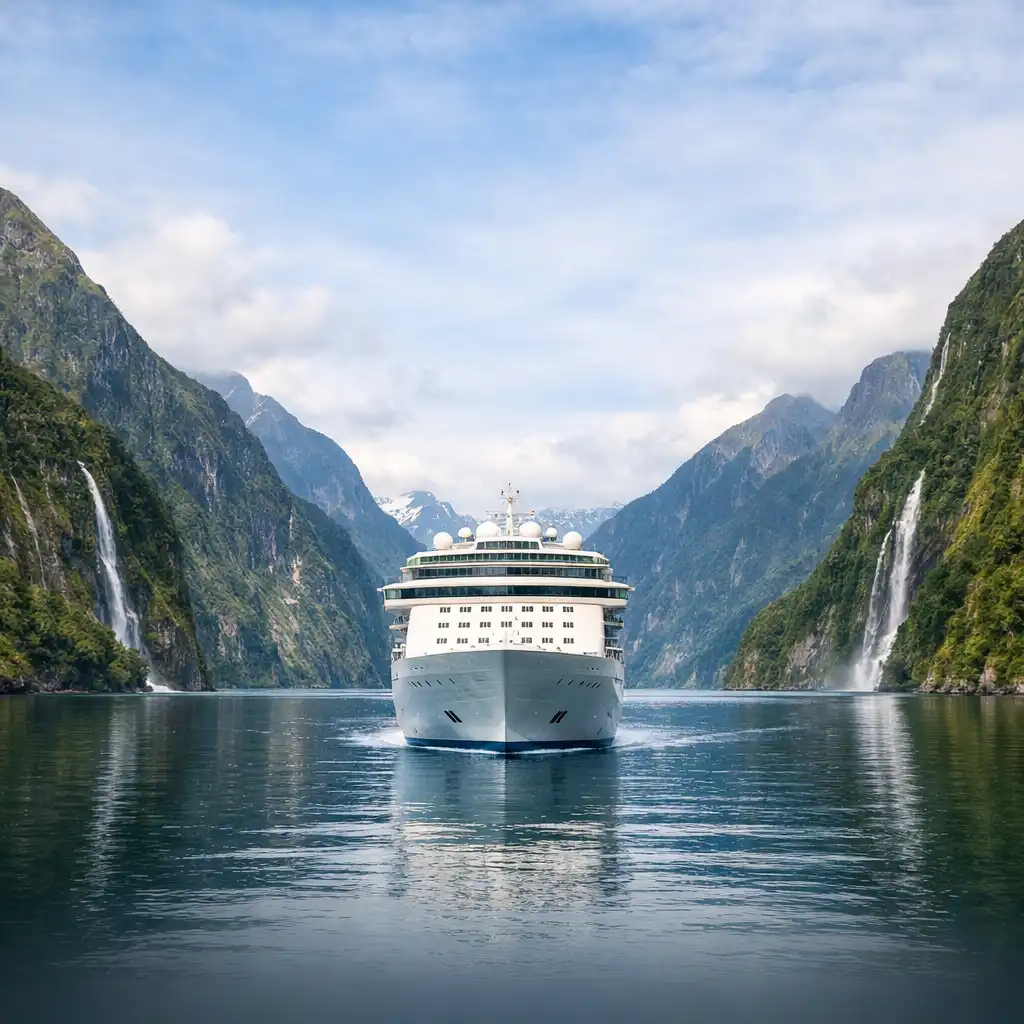
A modern cruise ship sailing through Milford Sound with green cliffs and waterfalls on both sides
Itinerary Guide

Discover New Zealand by Sea

New Zealand's coastline offers some of the world's most dramatic cruise scenery, from the deep fiords of the south to the subtropical bays of the north.

Explore New Zealand Cruise Itineraries
Route Options

Understanding New Zealand Cruise Itineraries

New Zealand cruise itineraries fall into a few broad patterns. Knowing the differences can help you choose a voyage that matches your time, interests, and preferred pace.

Itinerary Type

Coastal and Fjord Voyages

Many cruises focus on New Zealand's own coastline, offering deep exploration of Fiordland, the Marlborough Sounds, and the Bay of Islands. Typical durations range from 3 to 10 nights, with scenic cruising days often built into the itinerary, especially in Fiordland. Ports may include Auckland, Wellington, Lyttelton (Christchurch), and Dunedin.

Itinerary Type

Trans-Tasman and South Pacific

Longer voyages may link New Zealand with Australia or Pacific islands, offering a mix of sea days and port calls. Trans-Tasman cruises often include Sydney or Melbourne as endpoints, while South Pacific itineraries may visit Fiji, Tonga, or New Caledonia. These voyages typically last 10-14 nights or more.

Itinerary Type

Repositioning and Specialty Cruises

Some itineraries are one-way repositioning voyages between seasons, while others focus on themes like wine, wildlife, or expedition-style cruising. Repositioning cruises may offer longer sea days and fewer port calls. Specialty cruises can include expert lectures or unique shore excursions, and these itineraries vary widely in duration and route.

Iconic Regions

Scenic Cruising Highlights

Some of the most memorable moments on a New Zealand cruise happen without stepping ashore. These scenic cruising areas reward travellers who plan for time on deck.

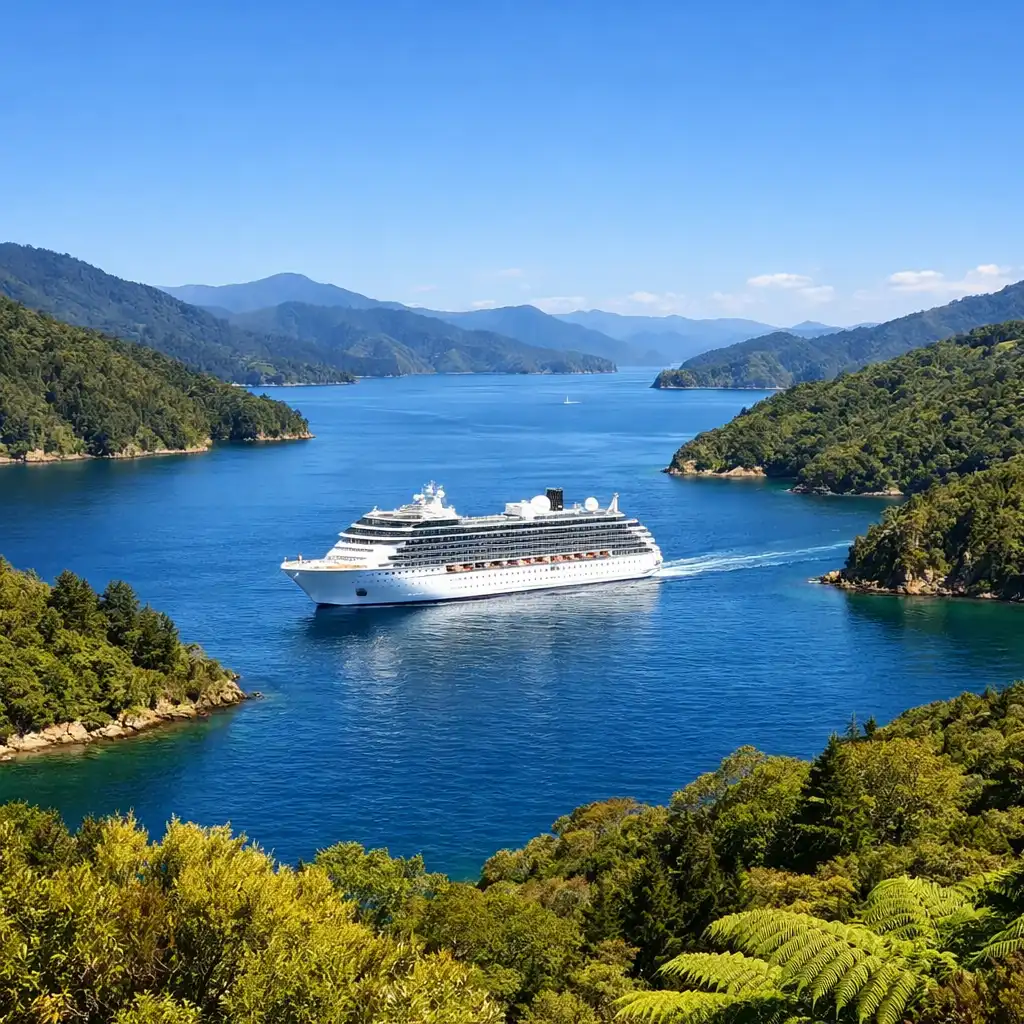
Cruise ship navigating the sheltered waterways of the Marlborough Sounds

Fiordland National Park

Fiordland is the crown jewel of New Zealand cruising, with deep fiords, towering cliffs, and waterfalls that are best experienced from the water. Milford Sound, Doubtful Sound, and Dusky Sound are common scenic cruising destinations. Weather can be changeable; low cloud and rain often enhance the dramatic atmosphere. Scenic cruising days typically last several hours with commentary from onboard naturalists.

Cruise ship passing through forested hills and calm waterways in the Marlborough Sounds

Marlborough Sounds

The Marlborough Sounds offer a labyrinth of sheltered waterways, forested hills, and small communities, often visited on cruises between the North and South Islands. Queen Charlotte Sound and Pelorus Sound are common routes. The area is known for its calm waters and scenic beauty. Some itineraries include a port call at Picton or a scenic transit.

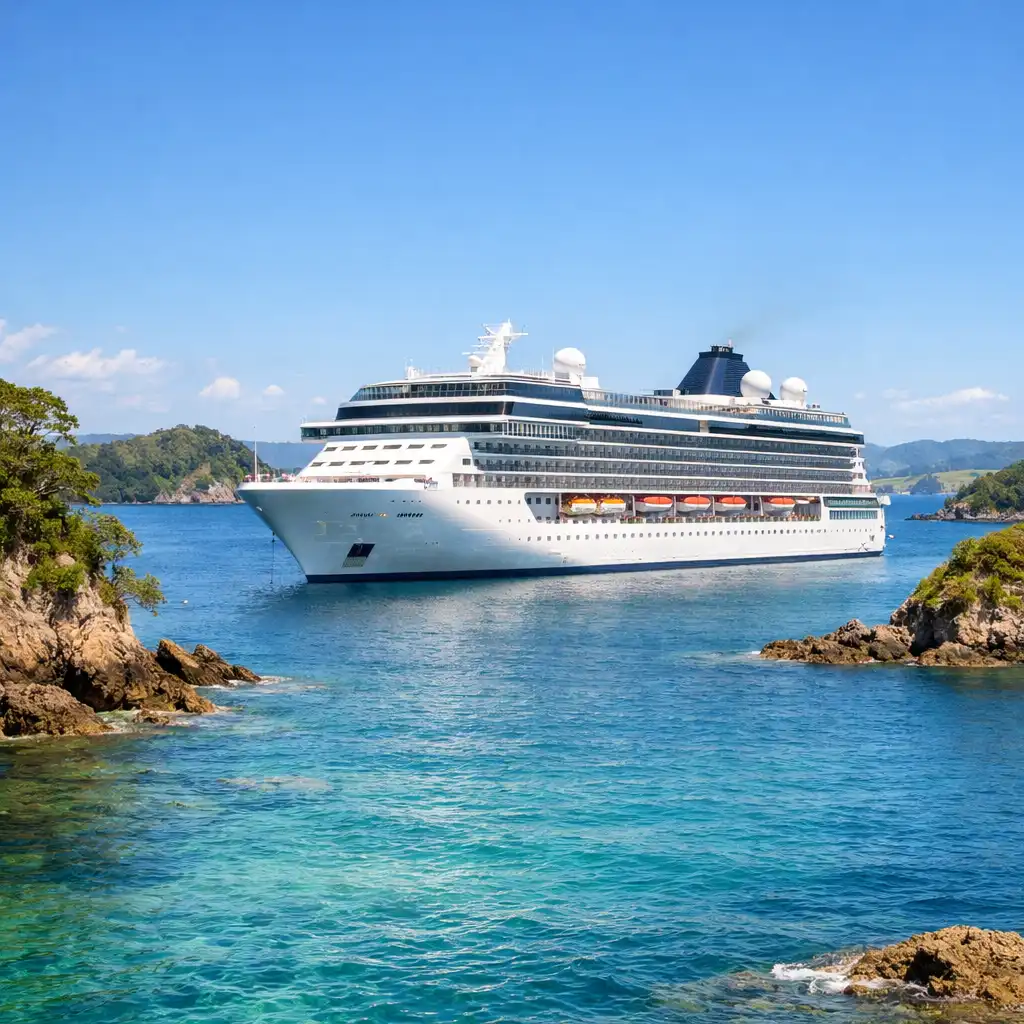
Cruise ship anchored in the turquoise water of the Bay of Islands with small islands nearby

Bay of Islands

The Bay of Islands is a subtropical region with over 140 islands, historic sites, and marine wildlife, often included in northern New Zealand itineraries. The bay is known for its sheltered anchorages and clear water. Historic Russell and Waitangi are common shore excursion destinations. Dolphin and whale sightings are possible, though not guaranteed.

Port Calls

Key New Zealand Cruise Ports

Each port brings a different character to an itinerary. Understanding what to expect can help you decide how much time to spend ashore and what to prioritise.

Auckland

Auckland is New Zealand's largest city and a major cruise hub, often serving as a departure or turnaround port for coastal and South Pacific itineraries. The cruise terminal is located near the central business district. Shore excursions may include the Sky Tower, Waiheke Island, or the Waitakere Ranges. Auckland offers extensive pre- and post-cruise accommodation and transport options.

Lyttelton (Christchurch)

Lyttelton is the port for Christchurch, the South Island's largest city, and a gateway to the Canterbury region. The port is a tender or berth port depending on ship size. Shore excursions often include the Christchurch city centre, the International Antarctic Centre, or the Banks Peninsula. The surrounding hills offer scenic views over the harbour.

Wellington

Wellington, the capital city, is a compact port with a vibrant cultural scene and easy access to the city centre. The port is within walking distance of the central business district. Popular attractions include Te Papa museum, the cable car, and the waterfront. Wellington is often included in both North Island and cross-strait itineraries.

Dunedin

Dunedin offers a mix of Scottish heritage, wildlife viewing, and access to the Otago Peninsula, often included in southern itineraries. Port Chalmers is the cruise port, about 12 km from the city centre. Shore excursions may include Larnach Castle, the Royal Albatross Centre, or the Taieri Gorge Railway. The city is known for its Victorian and Edwardian architecture.

Timing Your Voyage

Seasonal Considerations for New Zealand Cruising

New Zealand's cruise season follows the southern hemisphere calendar. Each season brings different weather, scenery, and crowd levels.

Summer (December-February)

Summer is the peak cruise season, with warmer temperatures, longer daylight hours, and the highest number of itineraries. Average daytime temperatures range from 20-25°C in many coastal areas. Fiordland can still be cool and wet, but waterfalls are often at their most dramatic. Ports are busier, and shore excursions should be booked in advance.

Autumn (March-May)

Autumn offers milder weather, fewer crowds, and beautiful fall colours in many regions, making it a pleasant time to cruise. Temperatures are cooler but still comfortable for shore excursions. Some itineraries shift to repositioning voyages as the season winds down. The Marlborough Sounds and Central Otago are particularly scenic with autumn foliage.

Winter and Spring (June-November)

Winter and spring see fewer cruises, but some expedition-style or specialty voyages operate, offering unique experiences like snow-capped mountains and whale migrations. Winter temperatures can be cold, especially in the south, but the scenery is dramatic. Spring brings blooming flowers and increasing daylight. Some itineraries focus on wildlife, such as whale watching in Kaikoura or the Hauraki Gulf.

Practical Planning

Planning Your Shore Time

A little preparation can make port days smoother and more rewarding. These four areas are worth thinking through before you board.

Understand Tender Ports

Some New Zealand ports require tendering, where passengers are transported from the ship to shore by small boats. Tender operations can be affected by weather and sea conditions. Allow extra time for tendering when planning shore activities, and check with your cruise line for specific tender port information.

Book Shore Excursions Wisely

Shore excursions can enhance your experience but vary in price and quality; research options before you travel. Ship-organized excursions offer convenience and guaranteed return to the ship. Independent tours may be cheaper but require careful timing. Read recent reviews and check cancellation policies.

Allow Flexibility

Weather and sea conditions can change quickly in New Zealand, so build flexibility into your shore plans. Have a backup plan for outdoor activities. Check local weather forecasts before disembarking, and be prepared for cooler temperatures, even in summer.

Respect Local Environments

New Zealand has strict biosecurity and environmental regulations; follow guidelines to protect natural areas. Do not bring fresh fruit, vegetables, or other prohibited items ashore. Stay on marked trails and avoid disturbing wildlife. Dispose of waste properly and follow local recycling rules.

Life on Board

Onboard Experience During Scenic Cruising

Scenic cruising days have their own rhythm. Ships slow down, passengers gather on deck, and the landscape becomes the main event.

Viewing Decks and Lounges

Most cruise ships offer multiple viewing areas, including open decks, observation lounges, and balcony staterooms, to enjoy the scenery. Arrive early to secure a good viewing spot, especially in Fiordland. Indoor lounges provide comfort in cooler or wet weather. Some ships have naturalists or guest lecturers who provide commentary.

Onboard Activities and Entertainment

Scenic cruising days often include a full schedule of onboard activities, from enrichment lectures to live music and, on some ships, casino gaming. Casinos are typically open only when the ship is in international waters, not during port calls or scenic cruising in New Zealand waters. The minimum age for casino entry is 18+, and responsible gambling guidelines apply. Other entertainment options include shows, pools, and fitness classes.

Dining with a View

Many ships offer dining venues with large windows or outdoor seating, allowing passengers to enjoy meals while taking in the scenery. Specialty restaurants may require reservations, especially on scenic days. Buffet and casual venues often have extended hours. Consider a balcony stateroom for private scenic viewing.

Extend Your Journey

Combining a Cruise with Land Travel

A cruise can be the centrepiece of a longer New Zealand holiday. Adding time on land lets you explore regions that ships do not reach.

Pre-Cruise Stays

Arriving a few days before your cruise allows you to explore the departure city and adjust to the time zone. Auckland and Christchurch are common pre-cruise cities with many attractions. Consider booking accommodation near the cruise terminal for convenience. Use the extra time to visit nearby regions, such as Waiheke Island from Auckland or the Banks Peninsula from Christchurch.

Post-Cruise Extensions

After your cruise, consider extending your trip to explore inland destinations like Rotorua, Queenstown, or the West Coast. Domestic flights and rental cars make it easy to travel beyond port cities. Allow at least 2-3 days for each additional region. Book post-cruise accommodation and transport in advance, especially in peak season.

Multi-Cruise Combinations

Some travellers combine a New Zealand cruise with a subsequent voyage to Australia or the South Pacific, creating a longer holiday. Check visa requirements for all destinations. Consider the time needed for transfers between ships or ports. Look for itineraries that minimize repeated sea days if you prefer more port time.

Common Questions

Frequently Asked Questions About New Zealand Cruise Itineraries

These answers cover a few of the questions travellers ask most often when comparing New Zealand cruise options.

Next Step

Start Planning Your New Zealand Cruise

The official New Zealand cruise directory provides up-to-date itinerary listings, operator information, and booking resources to help you plan your voyage. The directory is maintained by Tourism New Zealand and offers reliable information. Use it to compare itineraries, check seasonal availability, and find cruise lines that match your preferences. Remember to review our other guides on staterooms, dining, casinos, and budgeting before you book.

View New Zealand Cruise Itineraries